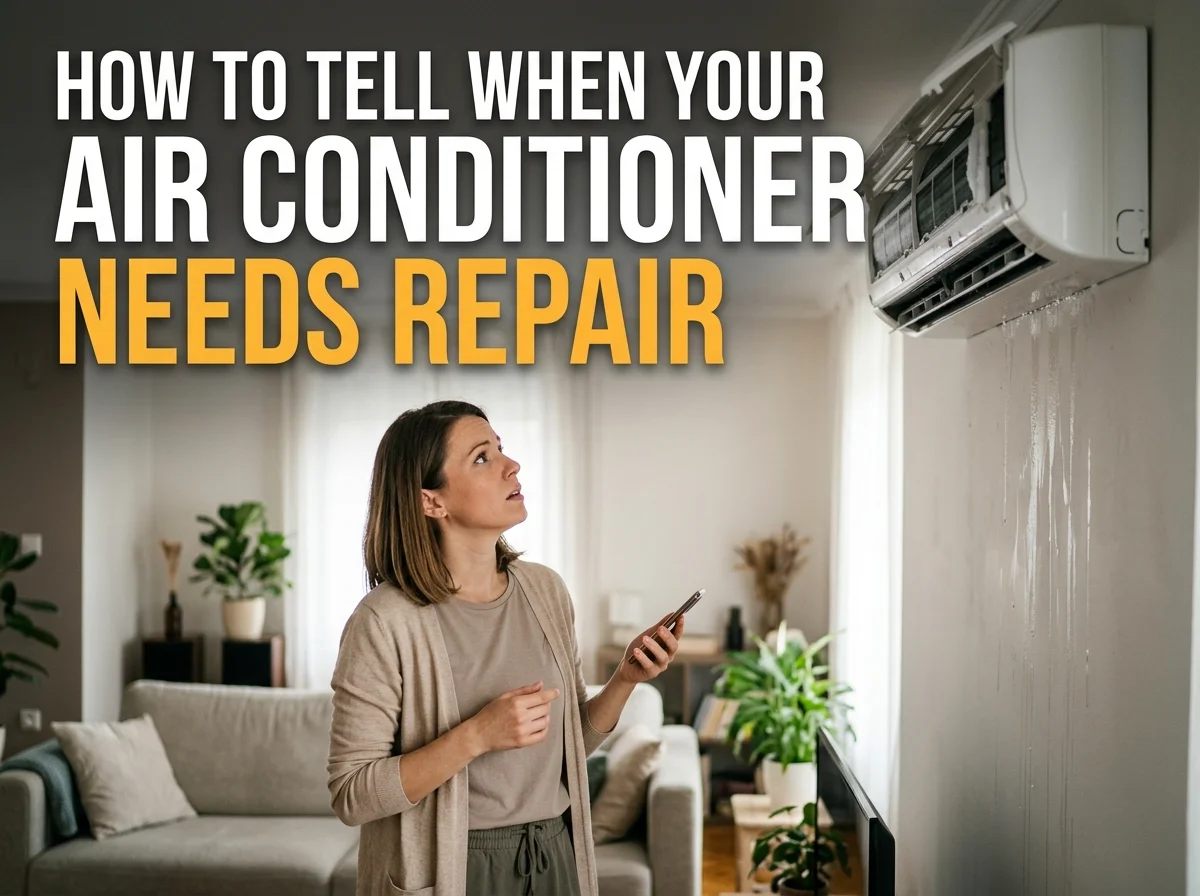
If your air conditioner is running but your home still feels warm, something may be wrong. Some AC issues start small, such as weak airflow or longer cooling cycles. Others can point to a failing component that needs prompt attention.
Knowing the common AC repair signs can help you act before a minor fault turns into a larger repair. In San Jose, where summer temperatures can put steady demand on a cooling system, early attention can also help maintain comfort and efficiency.
What Are the Most Common Signs Your AC Needs Repair?
Most homeowners notice changes in cooling before they know what caused them. Your air conditioner may still turn on, but unusual behavior can signal that the system is no longer operating as it should.
The following signs deserve attention, especially when they appear suddenly or continue after basic troubleshooting.
- Weak airflow: Air coming from the vents feels weaker than normal, even when the blower is running.
- Warm air: The system runs, but the air coming from the vents is not cool.
- Unusual noises: Grinding, rattling, buzzing, or squealing sounds can point to mechanical or electrical problems.
- Strange smells: Musty or burning odors may indicate moisture, electrical trouble, or another system issue.
- Frequent cycling: The AC turns on and off repeatedly instead of completing normal cooling cycles.
- Water around the system: Leaks near the indoor unit can indicate a clogged condensate drain or frozen coil.
- Higher energy bills: A sudden increase in cooling costs may mean the system is working harder than it should.
- Uneven cooling: Some rooms remain warm while others reach the thermostat setting.
These are some of the most common signs AC needs service. One symptom does not always identify the exact fault, but a change from normal operation should not be ignored.
Weak Airflow or Uneven Cooling
Poor airflow is one of the easiest AC performance problems to notice. You may feel less air from certain vents, or rooms that normally cool quickly may stay uncomfortable for much longer.
A clogged air filter can restrict airflow and make the system work harder. Other causes can include a blower motor problem, blocked ductwork, or an issue with the indoor coil. If changing a dirty filter does not restore normal airflow, professional diagnosis can help identify the cause.
Uneven cooling can also point to ductwork problems or a system that is struggling to move enough conditioned air through the home. Persistent airflow changes are among the more useful AC troubleshooting signs because they can appear before a complete system failure.
Your AC Blows Warm Air
Warm air from the vents is a clear sign that the cooling system is not doing its job. Check that the thermostat is set to cooling and that the indoor fan is operating normally before assuming the system has a major fault.
If those settings are correct, the problem may involve refrigerant, the compressor, the condenser coil, or another component. A frozen evaporator coil can also restrict cooling and cause warmer air to reach the rooms.
Do not keep lowering the thermostat to force colder air from a malfunctioning system. If the AC continues blowing warm air after basic checks, it is time to have the system inspected.
Strange Noises Coming From the Air Conditioner
Air conditioners make some normal operating sounds, but a new or unusually loud noise should get your attention. Different sounds can point to different mechanical or electrical issues.
A grinding sound may indicate a motor or bearing problem. Rattling can come from a loose component, while buzzing may point to an electrical issue or a failing capacitor.
Do not ignore a sudden change in sound simply because the system is still cooling. Some mechanical faults can worsen while the equipment continues to operate. Prompt service can help prevent additional damage and determine whether the component can be repaired.
Unusual Smells Coming From the System
Strange odors are another important group of air conditioner repair signs. A musty smell may occur when moisture collects around the evaporator coil, condensate drain, or other damp areas.
A burning or electrical odor is more concerning. It can indicate an overheating wire, motor, or electrical component and should not be treated as a normal AC smell.
Turn the system off if you notice a strong burning odor and arrange for professional inspection. Continuing to run equipment with a possible electrical fault can create a safety concern and may increase damage to the system.
Your AC Turns On and Off Too Often
An air conditioner should complete normal cooling cycles based on the temperature inside the home. If it starts, runs briefly, shuts down, and then starts again soon after, the pattern may indicate a problem.
Frequent cycling can occur because of thermostat problems, restricted airflow, an oversized system, or other AC system problems. It can also increase wear on components because the equipment starts more often than it should.
Do not assume frequent cycling is just a sign of an efficient system reaching the desired temperature quickly. Repeated short cycles deserve inspection, particularly when they are new or become more frequent over time.
Water Leaks or Ice Around the AC
Water around an indoor AC unit is not something to ignore. A clogged condensate drain can prevent moisture from leaving the system correctly, allowing water to collect where it should not.
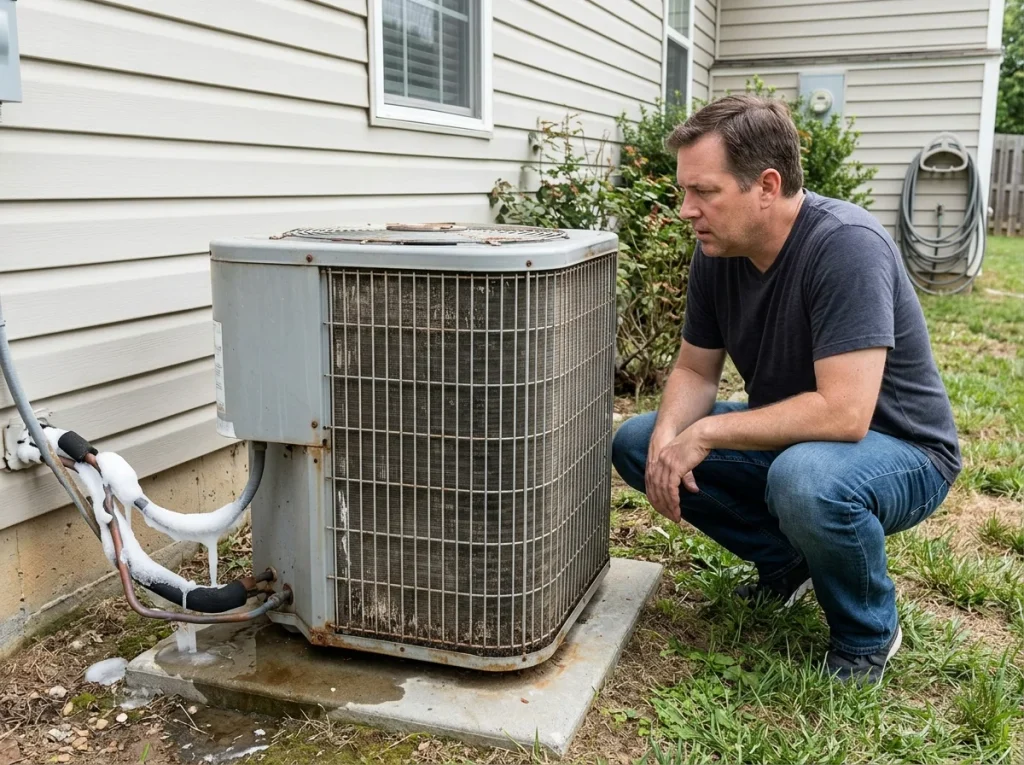
Ice on the refrigerant lines or evaporator coil is another warning sign. A frozen coil may result from restricted airflow, low refrigerant, or another underlying fault.
Turn the system off if you see significant ice buildup and allow it to thaw before attempting further checks. If the problem returns, professional service is needed to identify why the coil is freezing.
Higher Energy Bills Without a Major Change in Usage
A sudden increase in cooling costs can be one of the less obvious AC service warning signs. Energy prices can change, but a noticeable jump without a similar change in usage deserves attention.
Reduced cooling efficiency may occur when an AC system has airflow restrictions, dirty coils, refrigerant problems, or a failing component. The equipment may continue cooling the home while consuming more energy to do the same work.
Compare recent usage with previous months and consider whether the system is also running longer than usual. Higher bills combined with weak cooling or longer cycles are stronger indicators that the equipment needs inspection.
Your Thermostat Is Not Controlling the Temperature Properly
The thermostat tells the HVAC system when to start and stop cooling. If the temperature displayed on the thermostat does not match the room, or the system ignores temperature changes, the thermostat may be part of the problem.
Check that the thermostat is set to the correct mode and temperature. If it has batteries, replace them when needed. Smart thermostats may also require attention to their settings or connections.
When these simple checks do not solve the problem, a technician can determine whether the thermostat is faulty or whether another component is causing the unusual behavior.
How to Tell Which AC Problems Need Immediate Attention
Not every AC issue requires the same response. A dirty filter may be something you can address yourself, while electrical problems, refrigerant issues, and major component failures require professional attention.
Use the severity of the symptom as a guide:
- Minor airflow change: Check the air filter and confirm the vents are open and unobstructed.
- Persistent weak cooling: Arrange an inspection if basic checks do not restore normal performance.
- Water or ice buildup: Turn off the system and have the cause identified before continued operation.
- Burning smell: Shut down the system and contact an HVAC professional.
- Repeated electrical problems: Avoid repeated resets and arrange for professional diagnosis.
- Complete loss of cooling: Schedule service, especially when the system will not restart or continues blowing warm air.
The key question is not only when to repair AC equipment, but why the problem started. Treating the symptom without finding the cause can allow the same failure to return.
When Should You Call an AC Technician?
You should consider professional service when an AC problem continues after basic checks, affects comfort throughout the home, or involves electrical or refrigerant components.
A qualified HVAC technician can test the system rather than relying on symptoms alone. This may include checking airflow, electrical components, refrigerant levels, thermostat operation, the condenser unit, and other parts of the cooling system.
For homeowners dealing with AC malfunction symptoms in San Jose, early service can be especially useful during periods of high demand. Addressing a developing problem before the system stops completely may give you more options for repair.
Simple AC Troubleshooting You Can Do First
Some basic checks are safe for homeowners and can help rule out simple causes. Start with the thermostat and make sure it is set to cooling with a reasonable temperature setting.
Next, check the air filter. A heavily clogged filter can reduce airflow and make the system struggle to cool properly. Also confirm that supply vents are open and that furniture or other objects are not blocking them.
If these steps do not correct the problem, avoid opening electrical panels or attempting refrigerant work yourself. Components such as capacitors and compressors can be dangerous to handle without proper training.
Repair or Replace? What the Symptoms Can Tell You
Some AC problems can be resolved with a straightforward repair, while repeated failures may raise the question of replacement. The age and condition of the system matter, but the specific fault matters too.
A relatively minor component failure does not automatically mean the entire air conditioner needs replacement. On the other hand, repeated repairs, declining efficiency, frequent breakdowns, or a major compressor problem may make replacement worth discussing.
A technician can inspect the system and explain the available options based on its condition. This gives you a better basis for deciding whether repair makes sense or whether a newer cooling system would be a better long-term choice.
How Regular Maintenance Can Prevent AC Problems
Routine AC maintenance can help identify developing problems before they become major failures. During professional service, an HVAC technician can inspect components that are difficult for homeowners to evaluate safely.
Maintenance can also help keep airflow and cooling performance consistent. Tasks may include checking electrical connections, examining coils, inspecting the condensate system, and evaluating overall system operation.
Regular care does not guarantee that an air conditioner will never fail. It can, however, make it easier to spot early warning signs and address problems before they lead to a complete loss of cooling.
Frequently Asked Questions
What are the most common signs an AC needs repair?
Weak airflow, warm air, strange noises, unusual smells, frequent cycling, water leaks, and rising energy bills are common warning signs. A sudden change in normal operation is worth investigating, even when the system still produces some cooling.
Can a dirty air filter cause AC problems?
Yes. A clogged filter can restrict airflow and make the system work harder. If the filter is dirty, replacing it may improve airflow, but persistent problems may have another cause.
Is ice on an air conditioner a serious problem?
Ice on the evaporator coil or refrigerant line usually indicates an underlying issue. Restricted airflow and refrigerant problems are possible causes, so repeated freezing should be professionally diagnosed.
How do I know if my AC is failing?
Signs of a failing AC can include repeated breakdowns, declining cooling performance, unusual noises, rising energy use, and frequent repairs. If several symptoms appear together, a professional assessment can help determine the condition of the system.
When should I call an AC technician?
Call a technician when basic troubleshooting does not resolve the problem, the system stops cooling, or you notice electrical odors, repeated cycling, refrigerant-related symptoms, or significant water leakage. Professional service is also appropriate when you cannot safely identify the cause.
Get Help With AC Problems in San Jose
When your air conditioner is showing warning signs, getting the cause checked early can help protect comfort and prevent a small fault from becoming a larger system problem. Innovation Heating & Air Inc. provides AC repair and HVAC service for homeowners in San Jose and surrounding communities. If your system is not cooling properly, contact the team to have the issue diagnosed and the right repair recommended.